Sustainability is often described through large public systems: clean energy transitions, pollution reduction, water protection, circular economies, and responsible business practices. These systems matter enormously, but sustainability does not begin only at the level of governments and corporations. It also begins with individuals. Daily personal habits shape demand patterns that ripple outward—how much energy is consumed, how much waste is created, how often transport is used, and how attention is spent. In this sense, sustainability is not only environmental; it is behavioral.
The same logic applies to digital leisure. Without limits, consumption tends to grow automatically—of energy, of money, of time, and of attention. With thoughtful limits, sustainability becomes realistic rather than aspirational. A person who manages digital habits intentionally is practicing sustainability at the personal level, even if they never use the word. This connection between environmental thinking and digital responsibility is stronger than it first appears.
Environmental protection works best when it emphasizes prevention rather than cleanup. Preventive sustainability means redesigning systems so damage does not occur in the first place. It includes improving energy efficiency so less fuel is burned, changing production methods so harmful substances are not created, and redesigning cities so people rely less on high-emission transport. Prevention costs less, works earlier, and produces more stable outcomes than reacting after harm is done.
Personal digital responsibility mirrors this approach almost perfectly. Instead of dealing with regret later—lost sleep, overspending, emotional fatigue—a person can design limits before impulse appears. This is not about restriction or discipline for its own sake. It is about system design. When limits are defined in advance, behavior becomes easier to manage in moments of stress or excitement.
A surprisingly effective technique is to treat the start of any online leisure session as a conscious decision point. A direct step such as Fugu Casino login can be placed early in the experience and paired with a sustainability-style checklist: “What is the purpose of this session? What is the time limit? What is the spending limit? What is the stop rule?” This moment of clarity functions like preventive environmental policy. It reduces the chance that time or money will escalate due to emotion rather than intention.
One of the biggest challenges in both environmental and digital sustainability is the problem of hidden costs. Environmental harm often feels invisible because its consequences are delayed. Pollution appears “cheap” until healthcare costs rise. Water overuse seems harmless until drought becomes permanent. Climate damage often feels abstract until extreme events become frequent. Because the cost is delayed, behavior continues unchecked.
Digital leisure has the same hidden-cost structure. One extended session seems harmless until sleep quality drops. One unplanned expense feels small until budgets tighten. A few impulsive decisions may not matter individually, but together they accumulate into stress, fatigue, and reduced well-being. Prevention solves this by making costs visible early, before damage occurs.
A simple routine can dramatically reduce harm without demanding perfection:
set a time window before starting
set a budget limit that never touches essentials
stop immediately if emotions become intense
avoid sessions when already exhausted or stressed
These steps do not eliminate enjoyment; they protect it. Just as environmental efficiency reduces waste without reducing quality of life, digital efficiency protects attention without removing leisure.
Energy efficiency is one of the most effective tools for reducing emissions because it does not rely on dramatic behavioral change. It relies on reducing waste. Personal life has an equivalent: attention efficiency. When attention is constantly pulled into endless loops, productivity declines, emotional regulation weakens, and recovery suffers. Responsible digital leisure preserves attention the way efficiency preserves energy.
This preservation creates a positive chain reaction. Controlled session length protects sleep. Better sleep improves health. Better health improves decision-making. Better decisions reinforce responsible habits. This is personal sustainability in action—not moral preaching, not restriction, but intelligent design of daily systems.
Environmental discussions often focus on cities because cities concentrate people, transport, and energy use. Digital life also concentrates risk at the personal level. Devices store accounts, payment methods, and identity information. Without security habits, even well-designed limits can collapse due to fraud or compromise. Strong passwords, updated devices, and caution with downloads function like environmental regulations for the personal digital ecosystem. They create a stable baseline that allows healthy behavior to continue.
Ultimately, the purpose of sustainability is stability: clean air, safe water, predictable climate risk. The purpose of responsible digital leisure is also stability: controlled spending, protected time, emotional clarity, and long-term enjoyment. When leisure remains contained, it stays enjoyable. When it becomes an escape from unresolved stress, it tends to expand, and that expansion creates more stress.
Prevention interrupts this loop. Sustainability does not require a perfect person. It requires smarter systems. The same is true for digital life. Build a structure, respect limits, and make prevention the default. When societies design prevention into production and individuals design prevention into habits, resilience increases on both levels. In that balance, both the planet and the person are better protected.
Environmental protection often fails when it stays at the level of emotion. People know that air pollution is harmful, that water resources are under pressure, and that waste is rising. Yet the problems persist because daily systems—transport, energy, industry, consumption—produce pollution as a “normal output.” Real environmental progress happens when protection becomes structural: prevention in production, efficiency in energy use, and clear policies that reduce harmful substances before they appear.
Prevention beats cleanup
A key principle in environmental protection is prevention. Cleaning up pollution after it spreads is expensive, slow, and often incomplete. Prevention, on the other hand, redesigns processes so harmful substances are not created in the first place. This can mean changing industrial methods, substituting materials, capturing emissions at the source, or restructuring supply chains to reduce waste. It can also mean choosing cleaner energy systems and prioritizing efficiency so less fuel is burned to produce the same output.
Prevention is often framed as “sacrifice,” but in practice it is usually an efficiency upgrade. A factory that wastes energy is wasting money. A city that forces everyone into car dependence is paying later through health costs, traffic congestion, and infrastructure damage. Prevention aligns environmental goals with economic resilience.
Understanding air pollution: mobile vs stationary sources
Air pollution has multiple sources, but a useful distinction is mobile versus stationary. Mobile sources include vehicles and equipment that move—cars, trucks, ships, aircraft, construction machines. Stationary sources include factories, power plants, and industrial facilities. This distinction matters because solutions differ. Vehicle emissions can be reduced through clean public transport, electrification, better fuel standards, and urban planning that reduces unnecessary trips. Stationary emissions can be reduced through cleaner production technologies, emission filters, alternative fuels, and strict monitoring.
A serious environmental strategy often begins by identifying which category dominates in a region. If transport is the main driver, the solution is city design and mobility policy. If industry is dominant, the solution is production modernization and enforcement.
Energy efficiency: the fastest climate tool
Energy efficiency is one of the most underrated environmental strategies because it lacks drama. It doesn’t look like a new invention; it looks like doing the same thing with less waste. Yet efficiency reduces emissions immediately and usually saves money. It can include better building insulation, efficient lighting, smarter heating systems, upgraded industrial motors, and optimized logistics. In cities, efficiency reduces peak demand and helps stabilize energy grids, which becomes crucial as electricity systems shift toward renewable energy.
Efficiency also has a social dimension. Lower energy bills reduce household stress, and efficient public buildings free public budgets for other needs. This makes efficiency one of the rare environmental tools that benefits almost everyone quickly.
Water crises and resource stress
Global water stress is not only a future scenario; it is already visible in many places through drought patterns, groundwater depletion, and polluted water systems. Water protection requires both infrastructure and behavior change. Infrastructure includes repairing leaks, modernizing treatment systems, and preventing industrial contamination. Behavior change includes reducing waste, using water-efficient equipment, and protecting watersheds. Agriculture is also central: irrigation methods can either drain resources fast or use them responsibly through modern practices.
A water strategy must be local. The same solution does not fit every region. However, one rule remains universal: once a water system is damaged, restoration is far harder than prevention.
Eco-friendly business as an engine, not an exception
Business can drive environmental improvement when incentives reward efficiency and clean practices. Eco-friendly business is not just “doing good”; it can be profitable because it reduces waste, improves brand trust, and prepares companies for regulation. The most stable business models increasingly treat sustainability as risk management. Companies that ignore environmental pressure may face rising costs later: higher energy prices, stricter regulations, reputational damage, and supply disruptions.
The most successful green businesses often focus on measurable outcomes: cutting emissions, reducing waste, improving logistics, or providing clean alternatives. This practical approach avoids vague marketing and delivers real value.
Cities as the front line
Most people experience environmental issues through city life: polluted air, noise, heat islands, traffic, and waste management. Cities can become more eco-friendly by designing for short distances, building safe cycling and walking networks, expanding clean public transport, and protecting green spaces. Urban nature is not decoration. Trees and parks reduce heat stress and improve air quality conditions. Good city design also reduces emissions by reducing car dependency.
Turning awareness into durable action
Environmental protection becomes durable when it is built into systems:
stricter emission standards and monitoring
cleaner energy and efficiency upgrades
waste reduction and circular materials policy
water protection and infrastructure investment
transport redesign toward cleaner mobility
business incentives that reward prevention
The most important shift is mental: environmental protection is not a hobby. It is infrastructure for survival and stability. Once society treats pollution prevention as normal engineering and good governance, progress becomes less fragile. Environmental protection then stops being an emergency response and becomes the standard way systems are built.
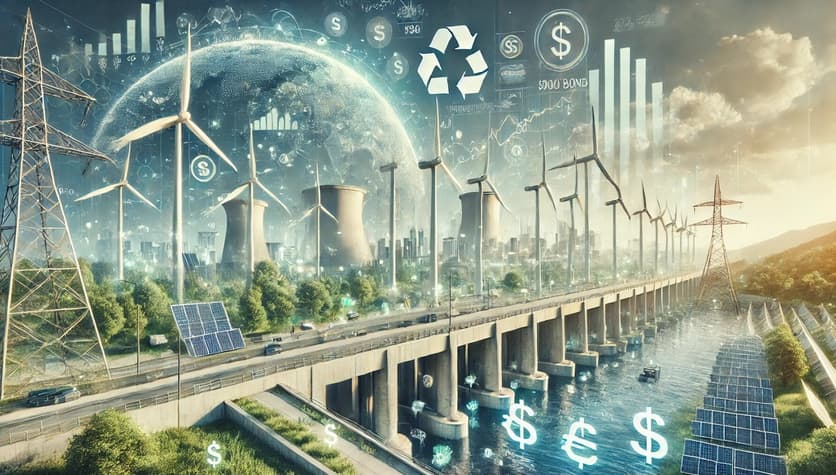
Trading platforms play a crucial role in financing the clean energy transition by providing a digital infrastructure that connects investors with sustainable energy projects. Through various financial products such as green bonds, carbon credits, and exchange-traded funds (ETFs), these platforms make it easier for both institutional and individual investors to direct capital toward renewable energy initiatives. By integrating clean energy into their offerings, platforms can help channel much-needed funding to the development of renewable energy technologies, energy-efficient projects, and emissions reduction efforts. Platforms such as Exness MT4, for example, allow investors to trade various green energy instruments, promoting the flow of capital into industries focused on sustainability and innovation.
Furthermore, trading platforms simplify access to global markets for clean energy investments, providing transparency and liquidity. This ease of access enables investors to diversify their portfolios with green assets while supporting the transition to a low-carbon economy. Trading platforms also play a pivotal role in facilitating carbon trading and emission reduction schemes, which incentivize businesses to adopt cleaner practices. As the demand for clean energy continues to grow, platforms like MT4 help investors navigate this rapidly evolving market, thus ensuring that finance remains a key driver in accelerating the clean energy transition.
Overview of the Clean Energy
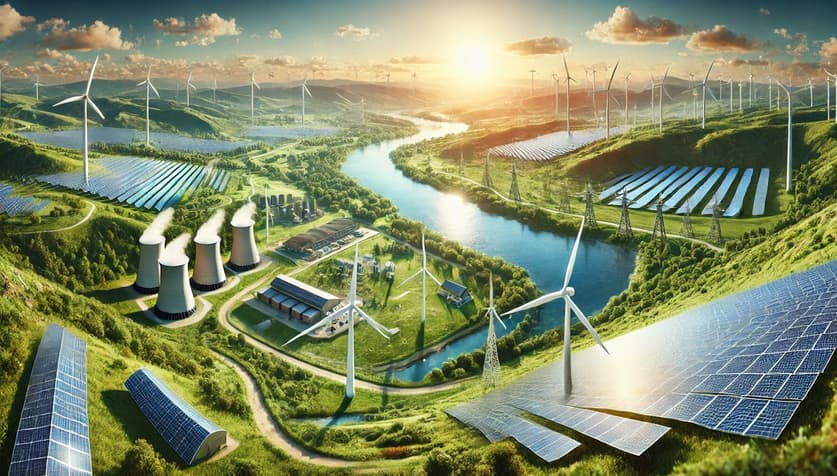
Clean energy refers to power derived from renewable, environmentally friendly sources that have a minimal impact on the environment compared to traditional fossil fuels. Unlike conventional energy sources such as coal, oil, and natural gas, clean energy is sustainable, produces little to no greenhouse gas emissions, and helps mitigate climate change. The primary sources of clean energy include solar, wind, hydroelectric, geothermal, and biomass.
The transition to clean energy is critical in combating global warming and reducing dependence on finite fossil fuels. It involves shifting from carbon-intensive energy systems to cleaner alternatives that harness natural resources for power generation. Clean energy technologies not only reduce environmental harm but also provide economic benefits, create jobs, and contribute to energy security by diversifying energy sources. As nations and industries strive to meet ambitious climate targets, the development and adoption of clean energy technologies are central to achieving a sustainable and resilient future.
Clean energy offers a wide range of benefits that not only contribute to environmental sustainability but also provide economic, social, and health advantages. Here are some key benefits:
Environmental Protection
One of the most significant benefits of clean energy is its minimal environmental impact. Unlike fossil fuels, which release harmful greenhouse gases such as carbon dioxide (CO2) and contribute to global warming, clean energy sources like wind, solar, and hydroelectric power produce little to no emissions. By reducing dependence on fossil fuels, clean energy helps combat climate change, preserve natural ecosystems, and reduce pollution.
Renewable and Sustainable
Clean energy sources are inherently renewable, meaning they are naturally replenished and do not deplete over time. Solar, wind, hydro, and geothermal energy are all sustainable sources that can be harnessed for the long term, unlike finite fossil fuels that will eventually run out. This ensures a reliable and continuous supply of energy, reducing the risks associated with resource scarcity.
Economic Growth and Job Creation
The clean energy sector has become a significant driver of economic growth and job creation. From the installation of solar panels to the development of wind farms, clean energy projects create a wide range of employment opportunities. These jobs span various industries, including manufacturing, construction, research and development, and operations. As demand for clean energy technologies continues to rise, the sector is expected to provide even more job opportunities, contributing to economic development.
Energy Security
Clean energy enhances energy security by diversifying energy sources and reducing dependence on imported fossil fuels. Countries that harness domestic renewable energy resources can become less reliant on volatile global energy markets, which helps stabilize prices and ensures a more secure energy supply. This also reduces geopolitical tensions related to energy trade and supply disruptions.
Health Benefits
Clean energy contributes to improved public health by reducing air and water pollution, which are often associated with the burning of fossil fuels. Air pollution from coal plants, for instance, can lead to respiratory diseases, heart conditions, and premature death. By transitioning to clean energy, we can decrease the harmful effects of pollution and improve overall public health, reducing healthcare costs and improving quality of life.
Cost-Effectiveness in the Long Run
Although the initial investment in clean energy technologies can be high, the long-term costs are often lower. Clean energy sources, especially solar and wind, have relatively low operational and maintenance costs after installation. Over time, renewable energy systems can reduce energy bills for businesses and households, providing cost savings that outweigh the initial investment. Moreover, as the technology continues to improve and scale, the cost of clean energy continues to decrease, making it increasingly affordable.
Climate Change Mitigation
Clean energy is vital for mitigating the effects of climate change. By shifting to energy sources that do not emit harmful greenhouse gases, we can reduce the impact of human activities on the planet’s climate systems. This transition is critical to meeting international climate goals, such as those set by the Paris Agreement, and avoiding the worst impacts of global warming, such as rising sea levels, extreme weather events, and biodiversity loss.
The Role of Trading Platforms in Clean Energy Financing
Trading platforms play an essential role in financing the clean energy transition by providing a marketplace where investors can access a wide range of financial instruments designed to support the development of renewable energy and sustainable projects. These platforms facilitate the flow of capital into the clean energy sector by offering investments such as green bonds, carbon credits, and exchange-traded funds (ETFs) focused on renewable energy companies. By connecting investors with clean energy initiatives, trading platforms ensure that funding reaches projects that are critical in achieving climate goals and reducing the global carbon footprint.
In addition to offering investment opportunities, trading platforms also help drive market liquidity and transparency in clean energy markets. Through digital trading interfaces, platforms enable both individual and institutional investors to participate in the transition to a low-carbon economy. Platforms can integrate features like carbon trading and renewable energy certificates, which create financial incentives for businesses to adopt cleaner technologies. By lowering the barriers to entry for investing in clean energy and providing access to diverse financial products, trading platforms help accelerate the growth of the renewable energy sector and contribute to the overall goal of sustainable economic development.
Types of Financial Products for Clean Energy on Trading Platforms
Trading platforms offer several financial products designed to finance and promote the clean energy transition. These products allow investors to direct their capital toward sustainable energy projects and companies. Key financial products for clean energy include:
Green Bonds
Green bonds are debt instruments issued by governments, corporations, or financial institutions to raise funds for projects with positive environmental impacts. On trading platforms, investors can buy and sell these bonds to finance renewable energy projects, such as solar farms or wind power installations. Green bonds typically come with lower risks compared to other types of investments and are attractive to investors seeking both financial returns and environmental impact.
Carbon Credits and Emission Trading Systems (ETS)
Carbon credits are tradable certificates that represent the right to emit a specific amount of carbon dioxide or other greenhouse gases. Emission Trading Systems (ETS) are market-based approaches where companies and organizations buy and sell carbon credits to meet emissions reduction targets. Trading platforms enable investors and businesses to engage in carbon credit markets, promoting the reduction of carbon emissions and supporting clean energy development.
Renewable Energy Investment Funds
Renewable energy investment funds pool capital from investors to finance large-scale renewable energy projects, such as solar, wind, and geothermal power plants. These funds are typically listed on trading platforms, allowing investors to gain exposure to a diverse portfolio of clean energy projects. By investing in these funds, investors can participate in the growth of the clean energy sector without directly investing in individual companies.
Clean Energy Stocks and Exchange-Traded Funds (ETFs)
Many trading platforms provide access to clean energy stocks, which represent shares in companies involved in renewable energy production, energy storage, and clean technology innovation. Additionally, clean energy-focused ETFs offer a way for investors to diversify their portfolios with exposure to multiple clean energy companies. These ETFs typically track an index of companies that are advancing clean energy solutions, allowing investors to support the broader clean energy transition.
How Trading Platforms Enable Access to Clean Energy Financing
Trading platforms play a crucial role in connecting clean energy projects with investors, making it easier to access financing through various financial instruments. These platforms provide a seamless interface for buying and selling assets related to renewable energy, such as green bonds, carbon credits, and clean energy stocks. By increasing market liquidity, reducing entry barriers, and offering real-time data, they help attract a wider range of investors. Furthermore, the integration of sustainability criteria allows users to align their investments with environmental goals, accelerating the transition to a low-carbon economy.
Feature
Description
Impact on Clean Energy Financing
Green Bonds
Bonds issued to finance renewable energy and sustainability projects.
Directs large-scale funding into clean energy infrastructure.
Carbon Credit Trading
Allows companies to buy and sell carbon credits to offset emissions.
Encourages investment in emission reduction initiatives.
Renewable Energy Stocks
Publicly traded shares of companies focused on wind, solar, and other renewable energy.
Provides capital for expansion and innovation in the clean energy sector.
Low-Fee Trading
Platforms reduce transaction costs, making investments more accessible.
Enables smaller investors to participate in clean energy financing.
Real-Time Market Data
Investors receive up-to-date pricing, trends, and insights.
Enhances transparency and informed decision-making.
Fractional Investing
Allows users to invest in smaller amounts rather than purchasing whole assets.
Increases accessibility to clean energy investments for retail investors.
Sustainability Screening
Filters investment options based on environmental and social governance (ESG) criteria.
Aligns investor portfolios with sustainability goals.
By offering diverse investment opportunities, reducing barriers, and increasing transparency, trading platforms serve as a key driver in financing clean energy projects worldwide.
Conclusion
Trading platforms play a crucial role in facilitating the financing of the clean energy transition by providing access to a diverse range of financial products that support sustainable energy initiatives. Through instruments such as green bonds, carbon credits, renewable energy funds, and clean energy stocks, these platforms enable both individual and institutional investors to direct capital toward projects that promote environmental sustainability. By offering liquidity, transparency, and accessibility, trading platforms lower the barriers for investing in clean energy, making it easier for a broader range of participants to contribute to the transition to a low-carbon economy. As demand for clean energy continues to rise, the role of trading platforms in connecting capital with renewable energy projects will only become more important, ensuring that the global shift toward sustainable energy is both efficient and effective.
In today’s world, eco-friendliness has ceased to be just a trend — it has become a necessity. Customers, investors, and even governments are increasingly supporting companies that care about nature. But is it possible to combine profit with environmental care? It turns out, yes. Moreover, “green” initiatives can become a powerful driver of business growth. Let’s take a look at how companies in Hungary and around the world are building successful eco-friendly strategies.
Why is Business Going “Green”?
In the past, many companies saw ecology as an additional expense. However, today the situation has changed. Conscious consumption is gaining momentum: according to research, more than 60% of consumers are willing to pay extra for products made with environmental care. Hungary is no exception — there is a growing demand for organic products, electric vehicles, and items without plastic packaging. Additionally, legislation is becoming stricter. The European “Green Deal” (EU Green Deal) requires countries to reduce CO₂ emissions, and companies to report on their ecological footprint. Those who ignore these requirements risk losing investments and customers. But the most important thing is that eco-friendliness now brings profit. Companies that implement sustainable practices save on resources, attract loyal customers, and receive tax incentives.
Successful Examples of Eco-friendly Business
Sustainable Fashion and Local Brands Fast fashion is one of the main polluters of the planet. However, Hungarian brands like Nanushka and Use Less prove that clothing can be stylish and eco-friendly. They use recycled fabrics, reduce waste, and avoid harmful dyes. Global giant H&M is also changing its approach: points for accepting old clothes for recycling have already been opened in Budapest. These initiatives not only help nature but also strengthen the company’s image. “Green” Technologies and Energy Hungary is gradually transitioning to renewable energy. MOL Group invests in biofuels and solar power plants, while startups develop solutions for energy-efficient homes. An interesting example is Naturtex, a manufacturer of eco-friendly building materials. Their hemp and linen insulation materials are not only safe for health but also reduce the carbon footprint of buildings. Responsible Tourism Hotels and restaurants in Hungary are increasingly receiving “green” certifications. The Danubius Hotels network implements water and energy-saving systems, while farm-to-table restaurants in Budapest source products from local suppliers, reducing transportation emissions. Even online casinos are becoming part of the trend. Some platforms are switching to “green” servers and supporting environmental projects to offset their carbon footprint. We recommend visiting a site with reliable and verified platforms, where valodi penzes jatekok from renowned global providers are featured.
How Can a Business Become More Eco-friendly?
You don’t need to be a large corporation to contribute. Even small businesses can start with simple steps: Waste reduction is the first and most accessible step towards sustainability. Many cafes in Budapest have already switched from plastic straws to paper or metal alternatives. Supermarkets are gradually implementing bulk food sales in reusable containers. These changes don’t require huge investments but have a noticeable environmental impact; Resource saving is another important direction. Modern technologies allow significant reductions in energy and water consumption. For example, installing motion sensors for lighting in offices or using water recycling systems in manufacturing plants can reduce utility costs by 20-30%. Hungarian companies are increasingly adopting such solutions, recognizing their economic benefits; Choosing “green” partners is a strategic decision that impacts the entire supply chain. Working with suppliers who use eco-friendly materials and manufacturing methods reduces the overall carbon footprint of the business. In Hungary, there are more and more platforms helping businesses find such partners, making it easier to transition to sustainable business models; Informing customers is a key element of a successful eco-friendly strategy. Modern consumers want to know what efforts a company is making to protect the environment. Transparency in this area not only increases loyalty but also creates a competitive advantage. Many Hungarian brands have already included environmental reports in their marketing strategies, demonstrating real achievements in sustainability.
Government Support for “Green” Business
The Hungarian government actively supports companies implementing eco-friendly practices. There are various funding programs and tax incentives for enterprises investing in renewable energy, energy-saving technologies, or waste recycling. For example, the “Green Loan” program offers favorable lending conditions for small and medium-sized businesses that are ready to modernize production in accordance with environmental standards. Furthermore, Hungary is developing a system of “green” certificates that confirm the ecological responsibility of a company. Obtaining such a certificate not only improves the brand image but also opens access to new markets, especially in EU countries where sustainability requirements for businesses are particularly high.
Challenges and Perspectives
Despite the obvious advantages, transitioning to eco-friendly business practices comes with certain challenges. The main obstacle remains the initial costs of modernizing production and implementing new technologies. However, as practice shows, these investments pay off in the medium term through resource savings and increased sales. Another problem is the lack of information. Many entrepreneurs simply do not know where to start their “green” journey. The solution could be the development of educational programs and consulting centers to help businesses understand modern environmental standards and find optimal ways to implement them.
Conclusion: Profit and Ecology Are Not Enemies
Sustainable development is not charity but a strategy for long-term success. Companies that implement eco-friendly practices not only help the planet but also gain a competitive advantage. Hungarian businesses are already taking steps in this direction — all that’s left is to accelerate the movement towards a “green” future. As the experience of global leaders like Patagonia and IKEA shows, caring for the environment can bring millions. The key is to start acting today. The time has come when eco-friendliness is no longer a choice but a necessity for any business striving for sustainable development and long-term success in the market.
Industry remains a key driver of the economy, but today it faces a serious challenge — a sharp shortage of qualified personnel. Hungary, like many other EU countries, is experiencing a deficit of engineers, technologists, skilled workers, and IT specialists, which hampers the development of enterprises. This situation is unfolding amid rapid technological transformation, where traditional industries increasingly demand complex skills from employees. Why is this happening, and what strategies help businesses attract and retain staff in a highly competitive environment?
Causes of the Labor Shortage in Industry
One of the main causes of the shortage of specialists is the demographic decline, which is particularly noticeable in Central European countries. The population of Hungary, like many European nations, is aging, and young people are increasingly reluctant to choose technical professions. Sociological studies show that many high school graduates view industrial professions as physically demanding and low-paying, preferring service sectors, IT, or public administration. Another significant factor is the technological gap between education and the actual needs of businesses. Modern enterprises require specialists who understand automated production lines, the industrial Internet of Things (IIoT), and predictive analytics systems. However, technical universities and colleges often lag behind these requirements by 5–7 years. As a result, companies are forced to train employees after hiring them, which increases costs. Competition for qualified personnel among companies also exacerbates the problem. Large international corporations operating in Hungary offer not only high salaries but also additional benefits such as corporate housing, health insurance, and relocation programs. Local manufacturers often cannot compete with these conditions, losing valuable specialists.
How Businesses Are Addressing the Labor Shortage
Industrial enterprises in Hungary are applying a comprehensive approach to solving the labor shortage. One of the most effective tools has been deep cooperation with educational institutions. Leading Hungarian companies, such as Audi Hungaria and the petrochemical holding MOL Group, actively invest in modernizing the laboratories of technical universities. They not only provide modern equipment but also participate in curriculum development to ensure that graduates come to production with up-to-date knowledge. Special attention is given to dual education, where students combine theoretical learning with on-the-job training. This approach has already proven effective in Germany and Austria and is now actively being implemented in Hungary. Companies gain motivated employees familiar with the specifics of production, while students receive a guaranteed job after graduation. To retrain existing staff, enterprises are creating corporate training centers. For example, the Dunaújvárosi Acélművek steel plant has organized its own academy, where experienced workers take courses in automated systems management and the basics of cybersecurity. These programs help retain valuable personnel by adapting their skills to new technological realities.
Attracting Foreign Specialists and Automation
Given the limited local labor force, industrial companies are increasingly turning to the international labor market. Hungary, as an EU member, has access to the pan-European employment system, which simplifies the hiring of specialists from other Union countries. Mechanical engineers, chemical production technologists, and automation specialists from Poland, the Czech Republic, and Slovakia are especially in demand. For workers from third countries, including Serbia, Ukraine, and the Balkan region, simplified labor migration programs are in place. Many companies offer relocation packages that include housing assistance, language courses, and family adaptation support. At the same time, active industrial automation is underway. The introduction of industrial robots and artificial intelligence systems helps offset the lack of manual labor in repetitive operations. However, this process requires significant investment and creates demand for new specialists — operators of robotic systems, maintenance engineers, and programmers.
Prospects and Challenges for Hungarian Industry
The labor crisis in industry is a systemic issue that requires coordinated action from businesses, the government, and educational institutions. In the medium term, the key direction will be further development of dual education and corporate training programs. Positive changes are already evident — more young people are considering technical specialties as promising career paths. Government support also plays an important role. The Hungarian government implements retraining subsidy programs and tax incentives for companies investing in automation. Special attention is given to regions with traditionally high unemployment, where training centers are being established to prepare specialists for the needs of local enterprises. In the long term, success will depend on the industry’s ability to offer attractive working conditions and career growth opportunities. Companies that can combine modern technologies with effective HR policies will gain a significant competitive edge. For Hungary, this is an opportunity not only to overcome current challenges but also to strengthen its position as one of Central Europe’s industrial hubs. Modern industry is undergoing a period of transformation, and the labor issue remains one of the most pressing. However, the experience of leading Hungarian companies shows that a systematic approach to training and retaining specialists can yield positive results in the coming years.
The global water crisis is one of the most pressing issues facing humanity today. With nearly 2 billion people living in countries experiencing high water stress, the problem of water scarcity is becoming increasingly urgent. Clean, accessible water is essential for life, yet millions lack reliable access to it, leading to widespread health, economic, and social challenges. Water is not only necessary for drinking but also for sanitation, agriculture, and industry. The scarcity of this vital resource poses significant threats to global development, public health, and environmental sustainability.
Despite the scale of the problem, there are ways we can make a difference. Addressing the global water crisis requires collective action on multiple levels, from individual conservation efforts to large-scale infrastructure improvements and technological innovations. Governments, organizations, and communities must work together to implement policies that improve water management, increase access to clean water, and reduce wastage. In this article, we will explore the causes and consequences of the water crisis, as well as the steps we can take—both globally and individually—to help solve this urgent challenge.
Understanding the Global Water Crisis
The global water crisis is a severe and growing challenge, affecting billions of people worldwide. Around 2 billion individuals live in countries facing high water stress, lacking access to clean and safe water. This issue is most acute in regions like Sub-Saharan Africa, South Asia, and parts of the Middle East, where factors such as droughts, population growth, and poor water management systems exacerbate the situation. With approximately 785 million people lacking clean drinking water, the crisis contributes to health issues like waterborne diseases. The crisis is intensified by urbanization, climate change, and outdated infrastructure.
Key Factors Contributing to the Global Water Crisis:
Over-extraction of Freshwater Resources: Agriculture consumes about 70% of global water use, often inefficiently depleting rivers, lakes, and aquifers.
Climate Change: Changing weather patterns lead to more frequent droughts in some areas and flooding in others, impacting water availability.
Water Pollution: Industrial runoff, sewage, and agricultural chemicals contaminate freshwater sources, further reducing access to clean water.
Population Growth: Increasing populations put added pressure on existing water supplies, making efficient water management more crucial.
Inefficient Water Management: Poor infrastructure and water management systems contribute to wastage and reduce access to clean water in many regions.
Consequences of the Water Crisis
The consequences of the global water crisis are far-reaching and affect nearly every aspect of life, from health to economic stability. One of the most immediate and devastating impacts is on public health. In areas without access to clean water, waterborne diseases such as cholera, dysentery, and typhoid fever are rampant, causing millions of deaths each year, especially among children. Poor sanitation and the lack of hygiene facilities further exacerbate the spread of these diseases, leading to higher mortality rates and a decrease in the overall quality of life. In addition to physical health, the water crisis also places a significant strain on mental well-being, as families and communities must often travel long distances to access water, which can be a daily struggle in many parts of the world.
The economic consequences of water scarcity are equally severe. Agriculture, which depends on a reliable and consistent water supply, is among the hardest-hit sectors. Crop production suffers during droughts, reducing food availability and driving up prices, while farmers face financial instability due to failed harvests. Water scarcity also hampers industrial processes, as many manufacturing industries require water for production, cooling, and other essential functions. When water becomes scarce, industries may be forced to cut production, leading to job losses and economic downturns. Additionally, countries and communities without adequate water infrastructure face increased costs for water treatment and distribution, further straining already limited financial resources. The combined effects of water scarcity on health, agriculture, and economies create a vicious cycle, worsening the global water crisis.
How We Can Help Address the Water Crisis
Addressing the global water crisis requires collaborative efforts across various sectors, from local communities to international organizations. Governments are crucial in implementing policies that promote water conservation, improve management, and ensure equitable distribution. International initiatives, like the United Nations’ Sustainable Development Goals (SDGs), aim to provide universal access to clean water and sanitation by 2030. Investments in water infrastructure and sustainable resource management are essential to long-term water security.
Solutions to Address the Water Crisis:
Government Policies: Promoting water conservation, improving management, and ensuring equitable resource distribution.
International Agreements: The UN’s SDGs to ensure access to clean water and sanitation for all by 2030.
Investments in Infrastructure: Building reliable water supply systems and sanitation facilities in urban and rural areas.
Sustainable Water Management: Protecting watersheds and preventing over-extraction of freshwater sources.
Desalination Technology: Converting seawater into drinkable water to address freshwater shortages.
Water Recycling: Implementing water reuse systems in residential and industrial settings.
Efficient Irrigation Systems: Using technologies like drip irrigation to conserve water while boosting agricultural productivity.
Affordable Purification Technologies: Solar-powered filters and compact devices to provide clean drinking water in remote communities.
Conclusion
The global water crisis is a pressing challenge that affects billions of people worldwide, with far-reaching consequences for health, economies, and the environment. Access to clean water is a fundamental human right, yet millions still lack this basic necessity, leading to dire consequences. However, there is hope. By taking concerted action on multiple fronts—through government policies, technological innovations, and community-based solutions—we can make significant strides in addressing the water crisis. Individuals can also play a role by adopting water-saving practices and supporting organizations dedicated to providing clean water access. The fight against the global water crisis is a shared responsibility, and every effort counts in ensuring a sustainable, water-secure future for all. It is time for collective action to safeguard this precious resource for future generations.
The gaming world continues to expand, introducing new titles that cater to diverse player preferences. Sugar Rush 1000, a popular candy-themed game developed by Pragmatic Play, brings players a visually sweet experience paired with engaging mechanics. This 7×7 grid game uses a cluster pays system and incorporates tumbling reels mechanics. Set against a backdrop of ice cream mountains and candy landscapes, the vibrant visuals immerse players in a whimsical world. As the game grows in popularity, there is an increasing awareness among both developers and operators about the impact of the gaming industry on the environment, leading to innovations aimed at environmental protection. By supporting platforms that prioritize sustainable practices, players can enjoy their gaming experiences while also contributing to the planet’s well-being.
Sugar Rush 1000’s high-energy gameplay, enhanced by its multiplier system and bonus features, keeps players entertained throughout their sessions. This aligns with a broader push within the gaming industry to balance entertainment and environmental consciousness by reducing carbon footprints, improving energy efficiency, and supporting eco-friendly initiatives.
Key Game Elements to Understand: A Sweet Gaming Experience with Environmental Considerations
The Sugar Rush 1000 slot gaming experience centers around several standout features that make it both exciting and immersive:
Cluster wins requiring 5+ matching candy symbols connected horizontally or vertically, offering plenty of opportunities for wins and strategic gameplay.
Multiplier spots that increase with each winning combination touching them, giving players the chance to multiply their winnings significantly.
Tumble mechanics where winning symbols disappear, making room for new symbols to fall into place and potentially create chain reactions that increase payout potential.
Free spins mode with persistent multiplier spots that don’t reset between spins, providing even more opportunities for big payouts.
High volatility gameplay with potential payouts up to 5,000 times the original bet, keeping players on the edge of their seats.
As the gaming industry becomes more aware of its environmental impact, developers like Pragmatic Play have started to incorporate sustainability into their practices. Reducing energy consumption during game development, minimizing waste during production, and embracing green technologies in server management are some of the steps that contribute to environmental protection in the gaming industry.
Playing Options and Strategies: Sustainability and Profitability
Sugar Rush 1000 is available on many gaming sites, including those catering to Philippine players. The game’s RTP of 96.50% sits slightly above the industry average, though some operators may offer variants with slightly different percentages. Players can adjust betting levels from small amounts to larger stakes, making the game accessible for different budgets and playing styles. This flexibility allows players from various walks of life to enjoy the game without excessive financial strain, ensuring an inclusive and accessible experience.
The game’s bonus round shines as the multiplier spots can accumulate throughout the free spins, offering the potential for large wins. By providing the option to purchase direct entry into the bonus round (where available), platforms like 11Croco Casino in the Philippines cater to players who prefer faster access to these exciting features. This model is becoming more prevalent in the industry, promoting user choice and personalized experiences for all players.
From a business profitability perspective, offering games that are environmentally responsible enhances a platform’s reputation, attracting players who value sustainability. More gaming operators are starting to offer green gaming options, which helps balance environmental protection with profit generation.
Technical Aspects and Mobile Play: Enhancing the Player Experience While Protecting the Planet
The technical implementation of Sugar Rush 1000 ensures smooth performance across devices, with the game loading quickly and running without lag on most modern smartphones and tablets. The cluster pays mechanics are intuitive, and the game’s symbols are easily identifiable, allowing for seamless gameplay even on smaller screens. The mobile optimization ensures that the visual quality remains intact, maintaining the vibrant colors and animations that make the game so appealing.
This focus on responsive design is a key component in promoting energy efficiency in the mobile gaming sector. Mobile gaming consumes less energy than traditional desktop play, and the increased demand for high-quality mobile games pushes developers to find energy-efficient solutions without compromising performance.
The sound design complements the visuals with upbeat music and satisfying audio feedback when clusters form or multipliers activate. The balanced audio mix is enjoyable on both headphones and device speakers, enhancing the immersive experience. These features ensure that players stay engaged while minimizing the digital carbon footprint, as gaming platforms increasingly adopt more eco-friendly practices.
Game Mathematics and Player Experience: Environmental Responsibility and Sustainability
The game’s high volatility rating (5/5 on the developer’s scale) means that while wins may come less frequently, the potential for greater rewards is high when they do appear. The absence of wild symbols may seem limiting at first, but the multiplier mechanics and tumble features provide a robust alternative to create chain reactions of wins.
With the growing awareness of environmental protection, developers are focusing on reducing the environmental cost of high-volatility games by optimizing their server infrastructure and utilizing renewable energy sources. This trend not only benefits the planet but also helps businesses cut costs, making operations more sustainable in the long run.
In the Philippines, players can access Sugar Rush 1000 through platforms such as 11Croco Casino, which aligns well with local gaming preferences. The combination of straightforward rules, visual appeal, and potential for large wins makes the game accessible to newcomers while offering enough strategic depth to keep more experienced players engaged.
As environmental protection becomes a key focus in the gaming industry, companies that embrace eco-friendly strategies will be in a better position to succeed in the long run, meeting both player expectations and sustainability goals.
A Sweet Experience with Environmental Impact
Sugar Rush 1000 stands out in the candy-themed gaming genre not only because of its engaging mechanics and visually appealing gameplay but also due to the growing trend within the industry to promote environmental protection. By embracing energy-efficient technologies, reducing carbon footprints, and supporting eco-friendly initiatives, both developers and gaming platforms can offer high-quality gaming experiences while contributing to the preservation of the planet.
As the gaming industry continues to evolve, players and businesses alike must consider the environmental impact of their choices. Platforms that prioritize sustainability and offer eco-friendly options not only improve their reputation but also enhance business profitability in a rapidly changing market. Through this balance of fun, sustainability, and profitability, Sugar Rush 1000 exemplifies how the gaming world can move towards a greener future while still delivering a top-tier player experience.
Environmental protection has become one of the most critical issues of our time. With climate change, pollution, and habitat destruction threatening ecosystems, individuals and governments worldwide are taking action to promote sustainability. However, the fight to save the environment is not just a modern concern – it’s a theme that has even found its way into popular culture, including the Star Wars universe.
From the lush forests of Endor to the desolate wastelands of Tatooine, Star Wars showcases both the beauty of nature and the consequences of exploitation. The saga serves as a powerful metaphor for environmental protection, emphasizing the delicate balance between nature and industrialization. In this article, we’ll explore key environmental challenges on Earth and draw connections to the galaxy far, far away.
The Importance of Environmental Protection
Environmental protection involves efforts to preserve natural resources, reduce pollution, and combat climate change. With industrialization and rapid urban development, Earth’s ecosystems are under immense pressure. If left unchecked, these environmental threats could lead to irreversible damage, affecting not only wildlife but also human societies. The depletion of natural resources and the decline of biodiversity highlight the urgent need for sustainable practices and responsible environmental stewardship.
The loss of forests threatens biodiversity and contributes to climate change. Rainforests, often referred to as the “lungs of the planet,” play a crucial role in absorbing carbon dioxide and producing oxygen. Large-scale deforestation for agriculture, logging, and urban expansion accelerates climate change and disrupts ecosystems, leading to habitat loss for countless species.
Air, water, and soil pollution impact human health and wildlife. Industrial emissions and vehicle exhaust contribute to smog and respiratory diseases, while plastic waste in oceans leads to marine life endangerment. Water contamination, particularly from chemicals and heavy metals, threatens freshwater sources and food safety.
Rising temperatures lead to extreme weather, rising sea levels, and shifting ecosystems. The melting of polar ice caps, prolonged droughts, and an increase in hurricanes and wildfires are clear indicators of global warming. If carbon emissions remain unchecked, the consequences could be catastrophic, affecting millions of people through food shortages, displacement, and natural disasters.
The overuse of plastics and improper disposal of waste create long-term environmental hazards. Landfills are overflowing, and microplastics have even been found in the most remote areas of the planet, including the Arctic and deep-sea trenches. Encouraging recycling, composting, and waste reduction strategies can significantly minimize environmental damage.
Governments and organizations worldwide are promoting initiatives such as renewable energy, conservation programs, and carbon footprint reduction to address these challenges. The transition to solar, wind, and hydroelectric power is helping reduce dependence on fossil fuels, while conservation efforts aim to restore damaged ecosystems and protect endangered species. Additionally, more companies and individuals are embracing eco-friendly lifestyles, recognizing that even small changes – such as using reusable products, reducing energy consumption, and supporting sustainable brands – can collectively make a big difference.
Star Wars and Environmental Themes
The Star Wars saga, while set in a distant galaxy, presents a striking commentary on environmental protection and destruction. Many of its planetary settings illustrate the consequences of resource exploitation and ecological neglect.
The forest moon of Endor, home to the Ewoks, represents an untouched ecosystem rich in biodiversity. Despite the technological advancements of the Empire, the natural world on Endor remains resilient. This reflects our real-world efforts to protect forests and indigenous communities from industrialization.
The desert planet Tatooine symbolizes extreme resource scarcity. With little water and harsh conditions, it reflects the challenges of desertification on Earth. In many ways, Tatooine serves as a warning about climate change and the need for sustainable water management.
The Death Star and industrialized planets like Coruscant depict unregulated industrial expansion, mirroring concerns about Earth’s over-reliance on fossil fuels and deforestation. The mining operations on Kessel and Lothal showcase how corporate greed can lead to environmental devastation, a theme relevant to today’s debates on responsible resource extraction.
What We Can Learn from Star Wars and Apply to Earth
While Star Wars is a work of fiction, it offers valuable insights into sustainability and environmental protection. Societies that harmonize with nature, like the Ewoks on Endor, flourish, while those that exploit and deplete resources, like the Empire, ultimately face dire consequences. The concept of solar-powered ships and renewable energy sources in Star Wars mirrors our real-world transition to solar, wind, and hydroelectric power as sustainable energy solutions. The minimalist way of life on Tatooine underscores the importance of water conservation and mindful resource management, reflecting the growing global need for sustainable consumption.
Even in everyday life, the influence of Star Wars can be seen in different ways, from inspiring real-world sustainability efforts to themed celebrations like May the 4th parties, which encourage fans to engage creatively with the franchise.. These connections highlight how deeply the saga resonates with audiences, offering both entertainment and thought-provoking messages about responsibility and balance.
Additionally, the Rebellion’s struggle against the Empire serves as a compelling parallel to modern fights against corporate pollution, deforestation, and unsustainable industries, emphasizing the importance of resistance, activism, and responsible innovation in protecting our planet’s future.
How We Can Protect Our Environment
There are numerous impactful actions that individuals and communities can take to support environmental protection. Opting for public transportation, carpooling, or switching to electric vehicles can significantly reduce carbon emissions. Choosing eco-friendly brands, minimizing plastic consumption, and embracing sustainable alternatives helps combat pollution and waste accumulation. Since deforestation is a major contributor to climate change, planting trees and supporting reforestation initiatives can aid in restoring ecosystems. Additionally, advocating for legislation that promotes environmental conservation, spreading awareness, and fostering sustainable habits within your community can create long-lasting positive change for the planet. Every effort, no matter how small, contributes to a greener, healthier future.
Just as the Rebellion in Star Wars fought to restore balance to the galaxy, we must take collective action to protect our planet and ensure a healthier future for generations to come.
A Future of Hope
As Jedi Master Yoda once said: “Always in motion, the future is. But by our actions, we shape what is to come.” 🌍✨
The Star Wars saga is more than an epic space adventure – it’s a reminder of what happens when power, greed, and industrialization overshadow respect for nature. From the thriving forests of Endor to the desolate landscapes of Tatooine, these worlds reflect the choices we face on Earth.
By taking action today, we can create a sustainable, thriving future, just as the heroes of Star Wars fought to bring balance back to their galaxy. Whether it’s reducing waste, supporting green energy, or advocating for conservation policies, we all have a role to play in protecting our world.
Amid the relentless surge in global energy consumption and escalating environmental crises, the notion of energy efficiency has emerged as a paramount pillar in the pursuit of sustainable development. This term encapsulates a diverse array of strategies designed to minimize energy wastage and enhance its utilization across various sectors of human activity. Whether in the confines of residential dwellings or the expansive operations of industrial complexes, energy efficiency not only fosters resource conservation but also plays a pivotal role in mitigating environmental degradation. This article endeavors to delve deeply into the intricacies of this concept, examining its profound impact on both economic systems and the natural world, while underscoring why its significance in contemporary discourse cannot be overstated.
What is energy efficiency?
Energy efficiency refers to the capacity to achieve the same outcomes while utilizing less energy. In an era where the imperative to conserve resources and reduce environmental footprints grows ever more critical, energy efficiency stands as a cornerstone of contemporary discourse. Essentially, it involves maximizing productivity with minimal energy expenditure, thereby not only cutting operational costs but also contributing to the alleviation of ecological strain.
It is crucial to recognize that energy efficiency transcends the simple act of reducing electricity bills. Rather, it represents a holistic paradigm that spans a wide array of domains—from domestic technologies to large-scale industrial operations. This comprehensive approach incorporates the adoption of advanced standards and practices specifically designed to curtail energy consumption across diverse sectors.
How does energy efficiency work?
Energy efficiency is the rational use of energy resources. For example, in the home, this may mean replacing old energy-consuming appliances with newer ones that use less energy to perform the same functions. In industry, it means optimizing production processes to reduce energy consumption while maintaining the same level of output.
The primary objective of energy efficiency is to enhance productivity while simultaneously curbing resource consumption and minimizing environmental repercussions. This dual focus not only aids in the reduction of the carbon footprint but also plays a pivotal role in the preservation of natural resources, ensuring their availability for future generations. By optimizing energy use, energy efficiency fosters a more sustainable and resilient framework for economic and ecological stability.
Key aspects of energy efficiency
Energy efficiency spans multiple critical domains, each bearing significant consequences for diverse sectors of society. Below are the essential facets that define and drive its broader application:
Energy Efficiency in Residential and Commercial Buildings
Energy-efficient materials: The incorporation of advanced insulation and high-performance windows reduces thermal losses, thereby diminishing the need for excessive heating and cooling, which in turn lowers overall energy consumption.
Energy-efficient appliances and systems: The adoption of modern heating, ventilation, and air conditioning (HVAC) units, alongside energy-saving LED lighting, ensures that energy consumption remains minimal while preserving occupant comfort and operational functionality.
Smart technologies: The integration of intelligent thermostats and sophisticated energy management systems automates energy usage, optimizing it in real-time for enhanced sustainability and lower operational costs.
Energy Efficiency in Industry
Process optimization: The deployment of state-of-the-art technologies and methodologies significantly reduces energy expenditure at various production stages, leading to improved operational efficiency and overall productivity.
Equipment modernization: Replacing outdated machinery with energy-efficient alternatives, along with the incorporation of innovative energy-saving technologies, can lead to substantial reductions in energy consumption.
Renewable energy adoption: The integration of renewable energy sources—such as solar and wind—enables industries to decrease reliance on conventional fossil fuels, thereby cutting costs and promoting sustainability.
Energy Efficiency in Transportation
Electric and hybrid vehicles: These vehicles represent a crucial leap forward in reducing energy consumption and curbing carbon emissions, offering a cleaner, more efficient alternative to traditional combustion-engine vehicles.
Optimizing routes and infrastructure: Through the refinement of traffic management systems and the development of efficient transport routes, fuel consumption can be significantly reduced, optimizing both time and energy expenditure.
Public transportation development: The transition to low-impact, sustainable public transport systems, including electric buses, serves as a vital strategy for minimizing overall energy consumption in urban environments.
Energy Efficiency in Business Operations
Green technologies: The adoption of eco-friendly technologies in business operations reduces energy costs and enhances corporate sustainability, fostering both economic and environmental benefits.
Energy audits: Conducting thorough energy audits allows organizations to identify inefficiencies and excessive consumption patterns, facilitating targeted optimization efforts that drive down operational energy use.
Employee education and training: Empowering the workforce with knowledge about energy-efficient practices ensures a culture of awareness, contributing to more responsible energy consumption and, ultimately, significant cost savings.
Why is energy efficiency important?
The significance of energy efficiency cannot be overstated, as it holds profound implications for both the present and future well-being of humanity. The following are the primary reasons why optimizing energy consumption is not merely advantageous but increasingly essential:
Cost Savings Reducing energy consumption directly lowers utility bills, benefiting both businesses and households by cutting operational costs.
Environmental Impact Less energy use means fewer emissions of CO2 and other pollutants, helping mitigate global warming and protect ecosystems.
Energy System Sustainability Optimizing energy use makes the energy supply more stable, reduces reliance on imports, and strengthens energy security.
Quality of Life Energy-efficient technologies improve comfort in homes and workplaces by maintaining stable indoor climates without unnecessary energy waste.
How to improve energy efficiency?
Improving energy efficiency requires action across various aspects of life. Here are key steps to take:
Invest in Energy-Efficient Appliances Use energy-saving devices such as LED bulbs, low-energy air conditioners, and efficient heating systems to reduce energy consumption.
Conduct Energy Audits Regular energy audits help pinpoint areas of energy waste, enabling targeted improvements in buildings, industries, or businesses.
Transition to Renewable Energy Embrace renewable energy sources like solar panels and wind turbines to decrease reliance on conventional energy and reduce environmental impact.
Educate and Engage Raise awareness among employees and family members about the importance of energy efficiency, ensuring everyone is involved in the process of change.
Energy efficiency as part of sustainable development
Energy efficiency is a cornerstone of sustainable development, playing a crucial role in tackling global environmental and economic challenges. By improving energy efficiency, we can reduce carbon footprints, enhance the quality of life, and build more sustainable, resilient energy systems.
Key Benefits of Energy Efficiency:
Reduced Demand for Energy Resources More efficient energy use curtails the reliance on traditional energy sources such as coal and oil, leading to a decrease in the importation of these resources and contributing to lower energy prices.
Lower Environmental Pollution The adoption of energy-efficient technologies, particularly renewable energy sources, significantly cuts greenhouse gas emissions, improving air quality and mitigating global warming.
Reduced Operating Costs Implementing energy-efficient solutions not only conserves energy but also lowers maintenance and repair costs of equipment, resulting in reduced long-term operational expenses and higher profitability.
Enhanced Energy Security Energy-efficient systems alleviate pressure on national power grids, minimize the risks of power outages, and increase energy independence—especially critical in regions with limited energy resources.
In recent years, the rapid expansion of megacities has become a defining feature of global urban development. Yet, as populations rise and urban areas continue to grow, cities face a range of environmental challenges, including air pollution, high energy consumption, and increasing waste generation. To preserve living standards and enhance environmental sustainability, urban areas need to implement practical and long-lasting solutions. This article explores several key actions that can help transform cities into greener, more sustainable spaces.
Green areas and nature in the city
Creating and maintaining green spaces is one of the most important areas for improving the ecology of a city. In recent years, urbanists are increasingly talking about the need for “green cities”, where nature and infrastructure can harmoniously combine.
Parks and gardens. A powerful solution is the creation of green havens, such as urban parks, rooftop gardens, and green facades. These spaces not only enhance air quality by absorbing carbon dioxide and releasing oxygen, but they also play a significant role in improving the city’s microclimate by mitigating the urban heat island effect. Public green areas provide a peaceful retreat, offering residents a chance to unwind and reduce stress, thus fostering a healthier and more enjoyable living environment.
Green roofs and facades. The efficient use of building roofs to create gardens and orchards not only helps reduce energy consumption for cooling buildings, but also improves air quality in densely populated areas. Building greenery can absorb carbon dioxide and serve as natural filters for polluted air.
Green spaces can be a great place for relaxation and entertainment. For example, why not take advantage of the convenient moments when you are relaxing in an urban garden to open your smartphone and immerse yourself in the world of online casinos? This is a great opportunity to enjoy nature without leaving the comfort of your city and apply a unique casino welcome bonus to start your game with added benefits. Green spaces not only support the city’s ecosystem, but can also be a place to spend quiet time with exciting online outdoor gaming!
Sustainable transportation and reduction of vehicle emissions
Air pollution and traffic congestion are common challenges in major cities worldwide. Nevertheless, there are practical solutions to tackle these issues, which can not only improve air quality but also decrease urban reliance on fossil fuels.
Electric transportation. One of the most important steps towards sustainable transportation is the transition to electric buses, electric cars and electric scooters. These vehicles significantly reduce carbon dioxide and other harmful emissions, which has a direct impact on improving urban air quality. Today, many megacities are actively investing in the electrification of public transportation, which helps to reduce pollution and reduce the load on road infrastructure.
Development of public transportation. Increasing the number of public transportation routes, such as subways, streetcars and buses, can reduce the number of cars on the roads, which in turn reduces emissions and congestion. The construction of new metro lines and bus routes with high levels of comfort and accessibility can be an important factor in improving the urban environment.
Bicycle lanes and pedestrian zones. The creation of convenient bicycle lanes and pedestrian zones helps to reduce the number of cars that clutter the streets. The implementation of these solutions makes the city more convenient for walking and cycling, which has a positive impact on the environment and the health of citizens.
Energy efficiency and renewable energy sources
A major environmental challenge in megacities is the excessive energy consumption. To cut down on greenhouse gas emissions and minimize environmental harm, cities must prioritize the adoption of renewable energy sources and the development of energy-efficient technologies.
Solar panels and wind turbines. The introduction of solar panels and wind turbines on buildings can significantly reduce a city’s dependence on traditional energy sources such as coal and gas. Solar panels can be installed on the roofs of buildings, and wind turbines can operate efficiently even in urban environments, providing clean energy.
Energy efficient buildings. Modern technology makes it possible to construct energy-efficient buildings that use the least amount of energy for heating and cooling. Innovative materials such as insulated panels and low-e windows, as well as automatic climate control systems, help reduce energy costs and carbon footprints.
Intelligent energy management systems. The implementation of advanced technologies like smart grids and automated energy management in buildings and urban infrastructure enables more efficient resource utilization. These systems can monitor and adjust energy consumption in real-time, redirecting surplus energy to the grid or storage for future use.
Sustainable waste management
Waste management stands as one of the most critical environmental issues for urban areas. Overconsumption and inadequate waste disposal systems place considerable pressure on the environment. Fortunately, there are effective strategies to tackle this challenge.
Waste segregation and recycling. Implementing separate waste collection and recycling programs can dramatically decrease the volume of trash sent to landfills. Cities that have established systems for recycling plastic, glass, paper, and metals can significantly reduce both waste and pollution.
Composting organic waste. Another effective solution is the creation of composting systems for organic materials. Instead of dumping food scraps in landfills, cities can gather this waste and convert it into compost, which can then be used to nourish urban green spaces and agricultural land.
Minimizing plastic waste. A key move toward sustainable waste management involves reducing single-use plastics. The development of alternative materials like biodegradable plastics and recyclable packaging plays a crucial role in cutting down plastic pollution.
Rational use of water resources
Water is a vital resource for any city, and its efficient use is crucial for ensuring sustainability as populations continue to grow. Implementing smart water management systems helps conserve water and improve environmental quality.
Rainwater collection. A highly effective method of utilizing water resources is rainwater harvesting. Specialized rooftop systems can capture rainwater for use in irrigating parks and gardens, as well as for non-potable purposes like irrigation. This practice helps ease the pressure on municipal water systems and lowers the demand for fresh water.
Water-efficient technologies. Modern devices such as water-saving faucets, showerheads, and toilets can significantly cut down on water usage. The widespread adoption of these technologies in homes, offices, and public buildings supports more sustainable water management.
Wastewater treatment. Advances in wastewater treatment technologies, like biological filtration, enable the recycling of water back into the supply system after purification. This reduces the need for new water sources and helps mitigate water pollution.